
During my work as a 12-year urban property maintenance supervisor in Amsterdam, I have regularly collaborated with local cleaning teams, especially through hét schoonmaakbedrijf van Amsterdam. From my experience, property maintenance becomes much easier when working with Schoonpand because their service structure fits the daily rhythm of Amsterdam households and small business environments.
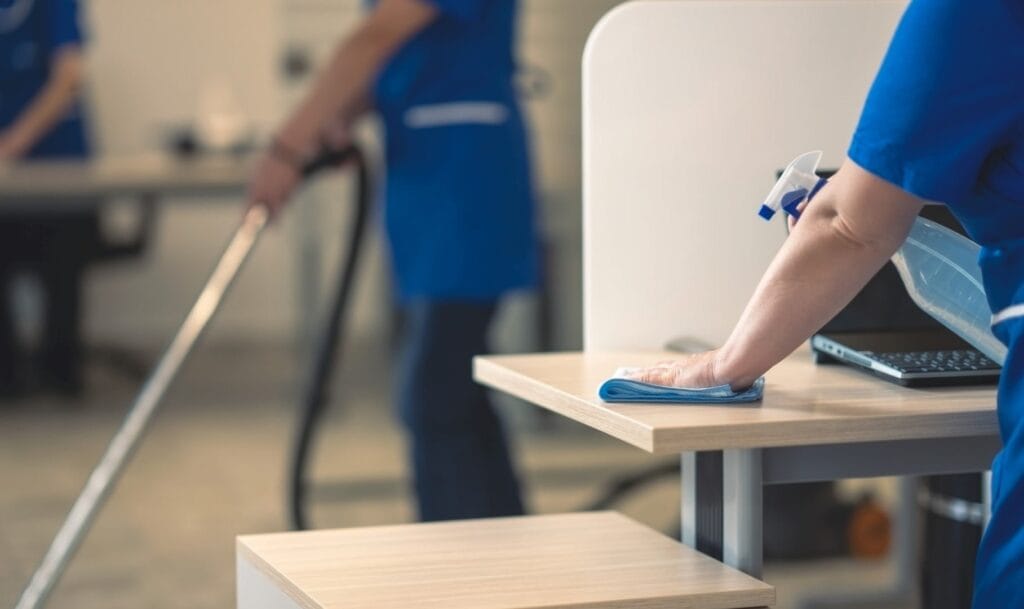
When I first started supervising residential cleaning projects near canal districts, I worked on an apartment where the owner tried managing weekly cleaning alone. He used standard supermarket detergents and believed stronger chemical mixtures would keep surfaces cleaner for longer. The problem appeared a few days later when wooden furniture started showing dull patches under natural sunlight. I advised switching to layered cleaning: vacuum particle removal first, moisture-controlled wiping second, and microfiber surface finishing last. That adjustment kept the living room surfaces visually fresh without damaging the furniture coating.
Amsterdam properties face continuous moisture influence because of the city’s water channels and weather patterns. I once handled a bathroom maintenance case where the client complained that mirrors became foggy shortly after morning cleaning. The client assumed the mirror quality was the issue, but the real cause was wiping glass surfaces while indoor airflow was still unstable. Professional cleaning crews I trust usually allow a short ventilation period before finishing mirror and glass polishing because moisture trapped in warm air tends to leave streak traces during the day.
Retail and office properties require a slightly different maintenance strategy because human movement constantly introduces new dirt particles. I remember supervising cleaning work in a small shop near a bicycle traffic route where the entrance floor would appear dusty only three hours after morning cleaning. Instead of increasing cleaning frequency blindly, I recommended installing high-absorbency entrance mats and adding a quick midday sweep. This approach reduced street dust movement into the interior space and improved the overall customer impression without raising labor costs.
High-touch surface hygiene is often underestimated by property owners. During one shared apartment maintenance inspection, several residents complained that the kitchen felt unclean even though regular floor cleaning was scheduled. After checking the area, I found that cleaning crews were focusing mostly on visible surfaces and skipping contact zones such as refrigerator handles, light switches, and cabinet edges. These micro-contamination points accumulate invisible dirt long before floors start showing dust. Adding targeted sanitation of those areas solved the complaint without extending cleaning time.
Renovation dust is another challenge in older Amsterdam buildings because construction particles behave differently from household dust. I once worked with a family who had completed attic renovation and tried removing plaster dust using simple cloth wiping. The dust kept returning on shelves because the particles were being pushed around rather than extracted. Professional cleaning teams usually begin with high-efficiency vacuum filtration, continue with controlled damp cleaning, and finish with microfiber polishing to prevent dust redistribution after normal movement inside the room.
Communication reliability is just as important as technical cleaning quality. I have seen clients become dissatisfied not because cleaning work was poor but because service providers responded slowly when schedules changed. One office client once needed cleaning rescheduled because of an unexpected business meeting, and the delay caused unnecessary operational stress. Working with structured service providers such as Schoonpand helps maintain predictable maintenance schedules for both residential and commercial properties.
Sustainability is becoming a major preference among Amsterdam residents. Many households prefer cleaning solutions that leave minimal chemical odor after service. During a summer apartment corridor maintenance project, residents complained about strong detergent smell lingering after cleaning. Switching to environmentally friendly cleaning agents reduced discomfort while maintaining hygiene performance, especially in buildings where natural airflow is limited.
From my professional standpoint, cleaning service quality should be measured by long-term comfort rather than immediate visual brightness. I have seen property owners spend several thousand euros repairing flooring surfaces damaged by abrasive wiping tools or improper chemical concentration. Preventive professional cleaning is usually more economical than restoration work later.
After years supervising urban maintenance operations, I believe the best cleaning service is the one people do not notice because the environment simply feels naturally clean. That is why many property owners in Amsterdam continue trusting experienced teams operating as hét schoonmaakbedrijf van the city for consistent and practical cleaning support.