
After more than a decade working as a concrete restoration specialist on residential and commercial properties, I’ve learned that Concrete Restoration is rarely about making old concrete look new. It’s about understanding why it started failing in the first place and deciding whether the surface you’re standing on can actually be saved—or if it’s quietly telling you something more serious is going on underneath.
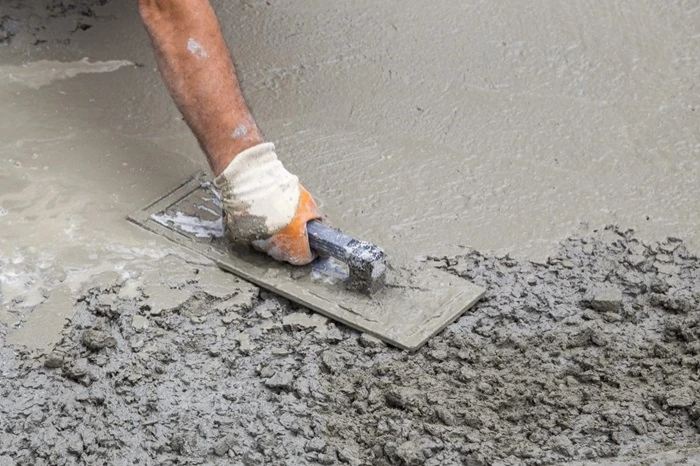
One of the earliest restoration jobs that shaped my approach involved a waterfront walkway that had begun to flake and pit badly. The owner assumed salt air was the only culprit and wanted a quick cosmetic fix before guests arrived for the season. As I worked through the surface, I noticed moisture lingering far longer than it should have after rinsing. The concrete wasn’t just weathered—it was saturated. Once drainage issues were addressed and the damaged material properly removed, the restored surface held up year after year. If we’d skipped that step, the finish would’ve failed almost immediately.
In my experience, the biggest mistake people make with concrete restoration is treating symptoms instead of causes. Cracks, spalling, and discoloration get all the attention, but they’re usually the result of water intrusion, poor original finishing, or movement below the slab. I’ve been called in more than once to redo work where a surface coating was applied over unstable concrete. It looked good for a while, then started peeling in sheets. That’s not a material problem—that’s a diagnosis problem.
I remember a driveway restoration where the homeowner was convinced replacement was the only option. The surface was rough, stained, and uneven in spots. After evaluating it, I realized the slab itself was structurally sound. The damage was limited to the top layer from years of sun exposure and minor water pooling. We restored it properly, and months later they told me it felt like they’d added years to the property without tearing anything out. That kind of outcome only happens when restoration is chosen for the right reasons.
Another misconception I run into is the idea that thicker restoration layers last longer. In reality, excessive build-up without proper bonding can make failure more dramatic. Thin, well-prepared restoration systems almost always outperform heavy applications laid over poorly prepared surfaces. Concrete is unforgiving that way—it rewards patience and punishes shortcuts.
Years in this field have taught me to respect concrete’s limits. Restoration works best when the underlying structure is stable and the prep work is honest. When those conditions are met, concrete doesn’t just get a second life—it gets one that’s far more predictable and far less stressful to live with.